Where Does All the Toy Money Actually Go? A Brutally Honest Spending Breakdown for Moms
Hand on heart — do you actually know what you spent on toys last year? Not a rough guess. Not a ballpark. The real number.
Most moms don't. And that's not a character flaw; it's just how toy spending works. It sneaks up on you in small, totally justifiable chunks — a birthday gift here, a holiday stocking stuffer there, a random Tuesday at Target where everyone walked out with something. Before you know it, you're looking at a credit card statement thinking, wait, how?
Let's fix that. Not by shaming anyone, but by actually understanding where the money goes — and figuring out a smarter way to handle it going forward.
The Average American Family Spends More Than They Think
According to various consumer spending surveys, American parents spend somewhere between $300 and $700 per child per year on toys — and that number climbs significantly in households with multiple kids or during milestone years like a first birthday or a "big gift" Christmas. Some estimates put total US toy spending at over $40 billion annually, and a big chunk of that comes from parents making emotionally-driven purchases rather than planned ones.
That's not an accusation. It's just the reality of parenting. We want our kids to be happy. We want to feel like good moms. And toy companies? They know exactly how to speak to that.
Breaking It Down: The Four Big Spending Buckets
When you start tracking toy spending, it usually falls into four categories. Understanding each one is the first step to getting a handle on the whole picture.
1. Holiday Spending
This is the big one. Christmas, Hanukkah, and other winter holidays account for a massive portion of annual toy budgets — often 40 to 60 percent of the whole year's spend for families who celebrate. The pressure is real, the wish lists are long, and the deals feel urgent. Add in grandparents, aunts, uncles, and family friends, and the pile under the tree can get out of hand fast.
A realistic holiday toy budget for one child runs anywhere from $100 to $300 from parents alone. Multiply that by two or three kids and you're looking at a serious chunk of your fourth quarter finances.
2. Birthday Gifts
Birthdays are the second-biggest driver. Between your own child's birthday and the seemingly endless parade of classmate parties — especially in the elementary school years — this category adds up faster than most moms expect. The average spend on a classmate's birthday gift runs about $20 to $30, and if your kid gets invited to ten parties a year (very common in the 5-to-8 age range), that's $200 to $300 right there, before you even count your own child's gifts.
3. Impulse Purchases
Oh, this one. The checkout aisle toy. The "it's only $12" Amazon add-on. The thing your kid spotted at the grocery store and asked for so sweetly you just couldn't say no. Individually, these feel small and harmless. Collectively, they can easily add up to $50 to $150 per year — sometimes more — and they're often the toys that end up at the bottom of the bin by the following week.
4. Replacements and "Completers"
This is the sneaky one. A piece breaks. A set is missing a critical part. Your kid suddenly needs the expansion pack to enjoy the thing you already bought. Replacement and completion purchases are easy to justify because they feel necessary, but they can quietly add $75 to $200 or more to your annual total depending on what your kids are into.
Do the Math on Your Own Household
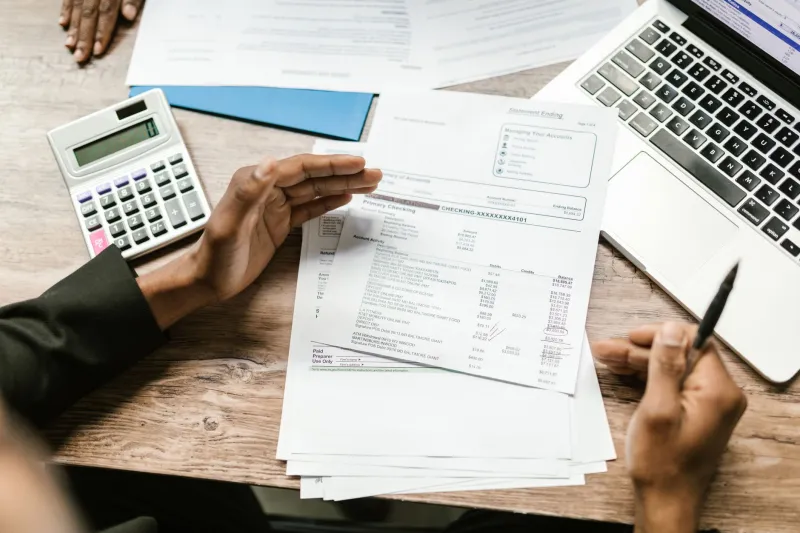
Here's a simple exercise worth trying. Grab your last 12 months of bank or credit card statements and search for toy-related purchases. Include:
- Big-box stores (Target, Walmart, Costco)
- Amazon toy orders
- Specialty toy shops
- Party gift purchases
- Craft stores (if buying activity kits or art supplies as toys)
- App store purchases for kids
Add it all up. Then divide by the number of children in your house. Most moms who do this exercise are surprised — usually in the "that's more than I thought" direction.
Once you have a real number, you're not working with assumptions anymore. You're working with facts, and facts are actually easier to plan around.
Building a Toy Budget That Doesn't Feel Like a Punishment
The goal here isn't to spend nothing or to make your kids feel deprived. It's to spend intentionally — so that the money you do put toward toys actually delivers joy instead of clutter.
Set an annual number, not a per-purchase limit. Thinking in terms of "I'll spend $400 on toys this year" gives you flexibility. Some months you spend more, some months less. It smooths out the anxiety of individual purchases.
Allocate by bucket. Once you have your annual number, split it across the four categories. For example: $180 for the holidays, $80 for your child's birthday, $80 for classmate parties, $60 for everything else. Now every purchase has a context.
Create a wish list buffer. When your kid asks for something, put it on a running list instead of buying it immediately. You'll often find that the urgency fades within a week or two — and that naturally filters out the impulse-driven asks from the genuine ones.
Involve the grandparents. Coordinate with extended family before the holidays and birthdays. If Grandma is already planning to buy the big gift, you don't have to. This one conversation can save you real money and reduce the toy pile-up at the same time.
Shop with intention, not emotion. The best time to buy a birthday party gift is not ten minutes before you leave for the party. Give yourself a buffer, consult your list, and stick to your per-party budget. A $25 gift chosen thoughtfully beats a $40 last-minute panic buy every time.
A Quick Word on the Value Side of the Equation
Budgeting isn't just about spending less — it's about getting more from what you do spend. A $60 toy that your child plays with daily for three years is a dramatically better investment than a $20 toy that breaks in a month. When you're evaluating a purchase, think in terms of cost per play hour, not sticker price.
Toys that tend to hold value: open-ended building sets, art supplies, outdoor play equipment, classic board games, and pretend play staples like play kitchens or tool benches. Toys that often disappoint on this metric: anything tied to a specific media trend, overly specialized gadgets, and anything marketed primarily around collectibility.
The Bottom Line
Toy spending is one of those budget categories that's easy to ignore precisely because each individual purchase feels so small and so justified. But when you zoom out and look at the full year, the numbers tell a different story — and most moms find that story pretty motivating.
You don't need to spend less to feel good about your toy budget. You just need to spend smarter. Know your number. Understand where it goes. Make a plan. And then enjoy the fact that every dollar you spend is working for your family instead of just disappearing into a pile of forgotten plastic.
Your kids don't need more toys. They need the right toys — and so does your bank account.