Goodbye to a Good Friend: Helping Kids (and Yourself) Through the Loss of a Beloved Toy
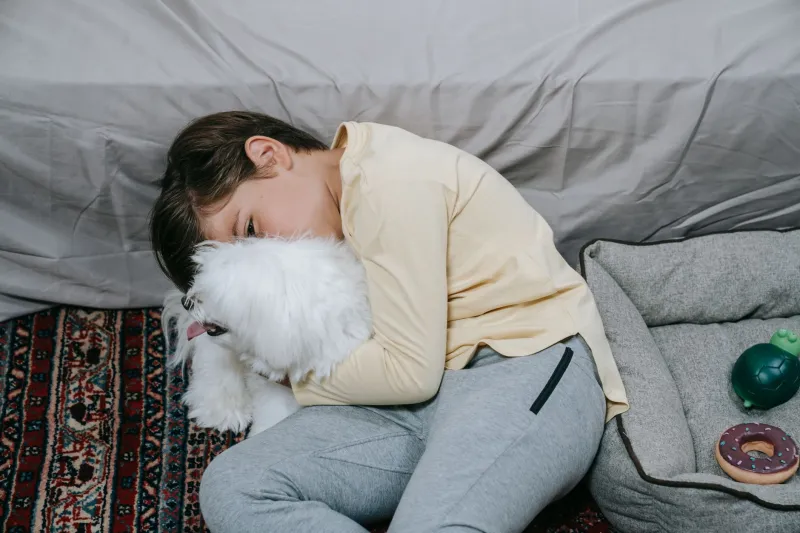
It's a stuffed elephant with one eye and a seam that's been re-sewn so many times it's basically a quilt. Or it's a plastic dinosaur that's been through three moves, a stomach bug, and a questionable incident with the dog. Whatever it is, it's the toy — the one your kid carries everywhere, sleeps with, talks to, and would genuinely be devastated to lose.
And then one day, it's gone. Or broken beyond repair. Or you realize with a sinking feeling that it got left at a rest stop somewhere in Ohio.
The grief that follows is not dramatic. It's not an overreaction. It is real, it is developmentally appropriate, and it deserves to be taken seriously — by you, by anyone else in the house, and honestly, sometimes by yourself, because parents feel it too.
Why the Attachment Goes So Deep
Child development researchers have studied toy attachment for decades, and the findings are pretty clear: the bonds children form with specific objects — what psychologists sometimes call "transitional objects" — serve a genuine emotional function. These items help kids regulate anxiety, navigate transitions, and feel secure when the world feels big and uncertain.
For young children especially, a beloved toy isn't just a plaything. It's a companion, a comfort object, and sometimes a stand-in for the parent when the parent can't be there. That's not imagination running wild. That's a healthy, normal part of early development.
Older kids form attachments too, though they often look different. A ten-year-old might not carry a stuffed animal everywhere, but they might have a particular LEGO set, a game, or a collection that carries enormous emotional weight — tied to memories, identity, and a sense of self that's still being built.
Losing that object isn't losing a toy. It's losing something that helped them feel like themselves.
What the Grief Actually Looks Like
Kids grieve toy loss in ways that can catch parents off guard, especially if you're expecting a quick cry and a move-on. What you might actually see:
- Asking about the toy repeatedly, sometimes for days or weeks
- Difficulty settling at bedtime (especially if the toy was part of the sleep routine)
- Irritability or emotional rawness that seems disproportionate to the situation
- Refusing a replacement, even a near-identical one
- Drawing pictures of the toy, talking about it to other people, or staging a kind of informal memorial
All of this is normal. None of it means your child is too attached or needs to "toughen up." It means they loved something, and now it's gone, and they're figuring out what to do with that.
What Not to Say (And What Actually Helps)
The instinct to fix it fast is strong. A broken toy? We'll get a new one. A lost stuffed animal? There are hundreds just like it on Amazon. But that instinct, however loving, tends to land wrong.
Trying to immediately replace or minimize the loss signals to a child that their grief isn't worth sitting with — that it should be solved rather than felt. That's not a lesson most parents mean to teach.
Instead, try:
Naming the feeling out loud. "You really miss Elephant. That makes sense — Elephant was your buddy for a long time." Simple, direct, validating. It doesn't fix anything, but it tells your child their feelings are legitimate.
Asking what they want to remember. This is especially useful when a toy has to be retired rather than suddenly lost. What did they love most about it? What did they do together? This honors the relationship rather than erasing it.
Exploring repair before replacement. A beloved toy that's broken isn't automatically gone. Many stuffed animals can be professionally repaired — there are actual toy repair services in the US that specialize in restoring beloved plush toys. Sewing kits, fabric glue, replacement parts — it's worth trying before you give up. The effort itself communicates that the toy mattered.
Creating a memory ritual. Some families take a photo of the toy before it's retired. Some kids want to write a little note or draw a picture. One mom we heard from held a small "goodbye ceremony" for a beloved stuffed rabbit that had simply fallen apart. Her daughter, age five, thought it was the most respectful thing imaginable. The closure was real.
When Replacement Is the Right Call
Sometimes a toy is truly irreplaceable — a one-of-a-kind handmade item, a discontinued product, something lost on a trip and gone for good. And sometimes a replacement is exactly what's needed.
If you're going the replacement route, a few things to keep in mind:
Don't pretend it's the same. Kids know. Trying to pass off a new stuffed elephant as the old one tends to backfire and can actually deepen the grief. Instead, frame it as a new friend rather than a replacement — one that can be loved differently.
Let the child be involved. Choosing a replacement together gives the child agency and helps them invest in the new toy emotionally. This works much better than a parent arriving with something they picked out alone.
Give it time. A new toy might sit ignored for days or even weeks while the child processes the loss of the original. That's okay. Don't push the relationship.
A Note for Parents
If you feel a little sad too when a beloved toy finally goes — you're not being silly. You watched your child love that thing. You've seen it tucked under a small arm at bedtime, dragged through airports, and given a seat at the dinner table. The toy is part of your story too.
Giving yourself permission to feel that is part of modeling emotional honesty for your kid. It's okay to say, "I'm going to miss seeing you carry that around." It's real. It counts.
Toys don't last forever. But the way a child learns to love, let go, and remember — that's something that stays with them for a long time.